
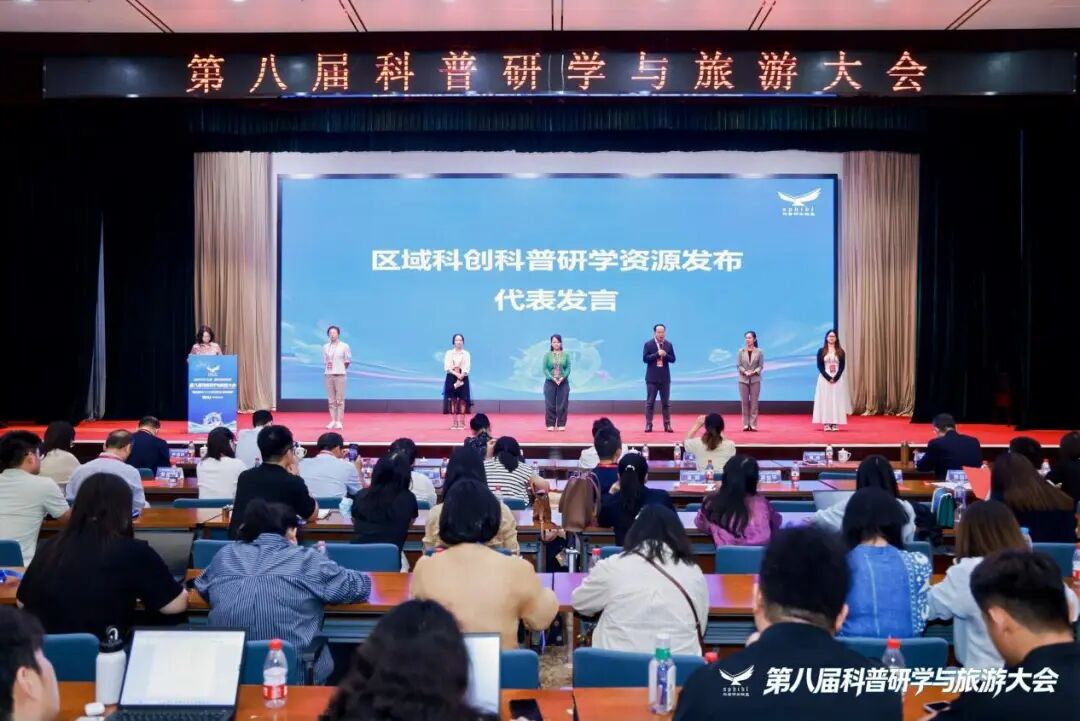
The 8th Science Popularization and Study Tourism Conference was held in Beijing from 3 to 5 September under the theme of science study tourism and science education. Hosted by the China Science Journalism Society and the Beijing Association for Science and Technology, and organised by the Beijing Science Popularization Culture Promotion Association and the Haidian District Association for Science and Technology, the conference brought together more than 300 delegates from research institutes, science museums and study-tour organisations. The Hong Kong Science Popularization and Science Fiction Academy (HKSPSF) served as a co-organiser (see our earlier announcement).
Council Meeting Opens the Programme
On 3 September, the conference opened with a council meeting of the Science Popularisation Industry Committee of the China Science Journalism Society and the Science Study Tourism Alliance, held at the Institute of Process Engineering of the Chinese Academy of Sciences. Attendees reviewed the alliance's annual work report and the conference preparations, admitted new member organisations, and exchanged views on the development of science study tourism, setting the direction for the sessions that followed.
Opening Remarks
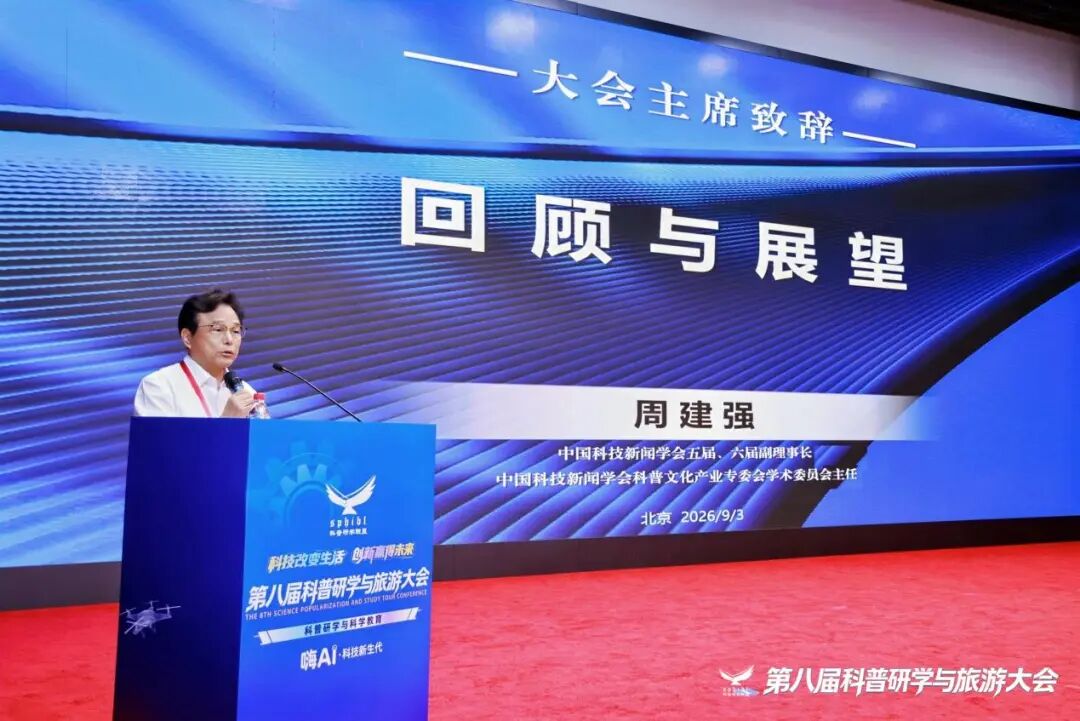
The main conference opened on 4 September, with Cheng Yan, Science Communication Supervisor at the Hefei Institutes of Physical Science, Chinese Academy of Sciences, presiding. Zhou Jianqiang, chair of the organising committee and former vice-president of the China Science Journalism Society, and Chen Rui, vice-president of the Society, delivered opening remarks. They reviewed the conference's growth, affirmed the role of science study tourism in science education and public science engagement, and expressed their expectations for a more standardised and professional industry.
Certificates, Agreements and Resource Release
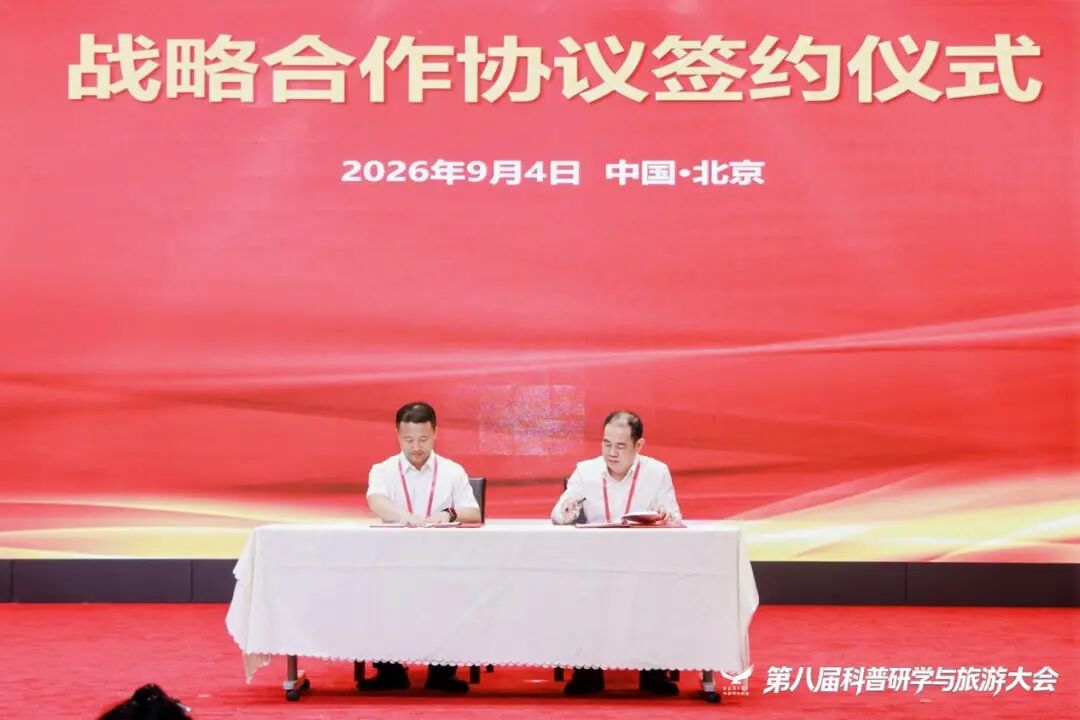
In the alliance work report session, Bao Mingming, vice-president of the Beijing Science Popularization Culture Promotion Association and secretary-general of the Science Study Tourism Alliance, reviewed the alliance's achievements over the past year in resource integration, standards development and platform building, and presented the work plan for the coming year. Certificates were presented to three new alliance members: the Rizhao Study Travel Association, Beijing Zhongke Xinghe Culture Media Co., Ltd. and Jiangmen Culture, Tourism and Transport Investment Group. Concentrated signing ceremonies followed, with organisations including the Beijing Science Popularization Culture Promotion Association, the Chinese Society of Particuology, the Deyang Association for Science and Technology and the Jiangmen Association for Science and Technology, to advance resource sharing and joint projects. The conference also announced 14 regional science and study-tourism resource organisations; representatives of seven of them, including the Zhongguancun Low-Altitude Technology Innovation Center and the Beijing Graphene Institute, presented their offerings on stage.
Keynote Speeches and Round Table
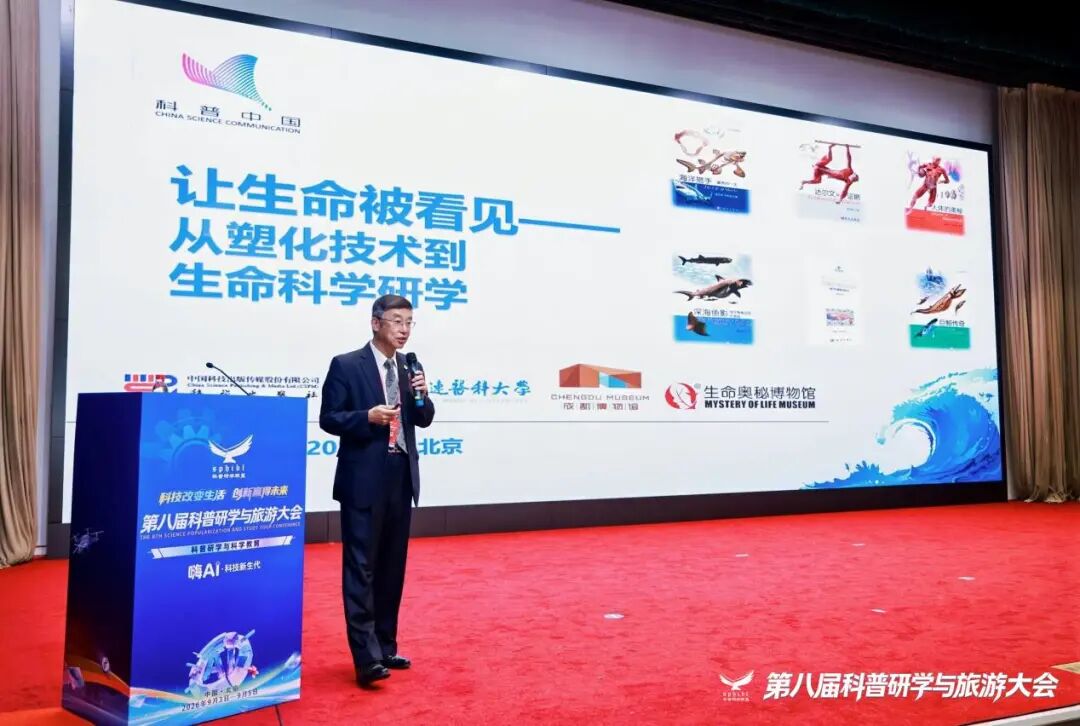
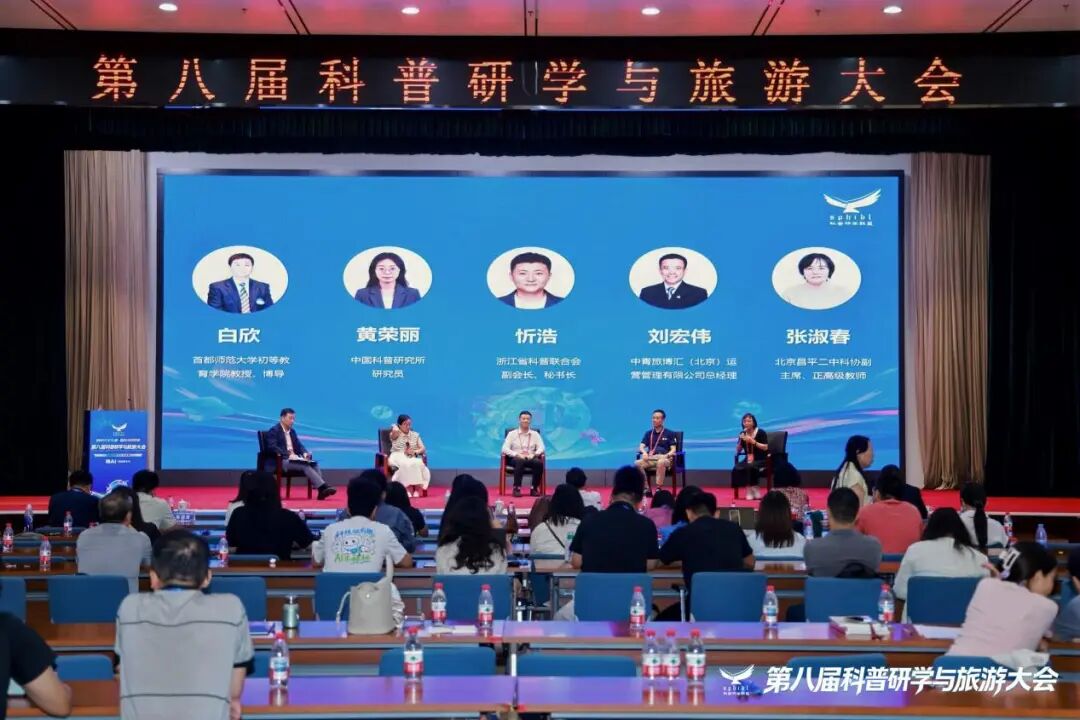
In the keynote sessions, speakers discussed directions for building a science and innovation talent system in the intelligent era and shared innovative practices in science study tourism, drawing on the Guiding Action Plan for "Learning by Doing" in Primary and Secondary Science Education, frontline research findings and hands-on experience. Professor Sui Hongjin, a winner of the National Science and Technology Progress Award, founder of the Mystery of Life Museum and professor at Dalian Medical University, gave a themed presentation. A round table followed, bringing together five experts from universities, research institutes and industry: Professor Bai Xin of Capital Normal University's College of Elementary Education, Associate Researcher Huang Rongli of the China Research Institute for Science Popularization, Xin Hao, deputy director-general of the Zhejiang Science Popularization Federation, Liu Hongwei, general manager of CYTS Bohui (Beijing) Operation and Management Co., Ltd., and Zhang Shuchun, vice-chair of the school science association at Beijing Changping No. 2 High School. They discussed innovation models, museum-school resource links and the integration of study tourism with travel.
Side Events
The conference also featured side events including a robotics science challenge and an "AI in Haidian" science observation activity, where participants explored creative ideas through hands-on learning with intelligent educational toolkits.
By bringing together the science-association, culture-tourism and education communities, the conference built a practical platform for exchange and resource matching across science, education and cultural tourism. HKSPSF took part as a co-organiser and will continue to connect quality science study-tourism resources on the mainland with Hong Kong young people and educators, creating more opportunities for science education exchange.
Image source: Organising Committee of the 8th Science Popularization and Study Tourism Conference